
AEM Pushes California to Modernize Autonomous Equipment Rules
By Joe L Neyer
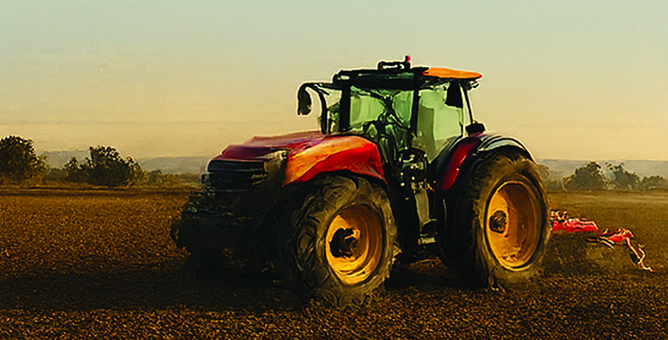
How outdated regulations are slowing the rollout of next-generation tractors — and what it means for growers
How Autonomous Tractors Work
- Precision Guidance - GPS and satellite mapping allow tractors to follow exact field paths with minimal deviation.
- Sensor Integration - Cameras, radar, and LiDAR detect obstacles, crop rows, and terrain changes in real time.
- Remote Monitoring - Operators can track performance and make adjustments from mobile devices or control centers.
- Labor Efficiency - Autonomous systems reduce the need for manual operation, freeing labor for skilled tasks.
- Crop-Specific Adaptation - Systems can be tuned for orchards, vineyards, row crops, and specialty harvests.
California growers are facing a technological crossroads. While autonomous tractors are rapidly transforming agriculture across the Midwest, Southeast, and international markets, California farmers remain constrained by regulations that have not kept pace with innovation. The Association of Equipment Manufacturers (AEM) is calling for urgent modernization, arguing that the state’s outdated rules are preventing growers from accessing equipment that could dramatically improve efficiency, safety, and sustainability.
Autonomous tractors — equipped with advanced sensors, GPS guidance, and machine-learning-driven navigation — are designed to reduce labor strain, increase precision, and operate safely in challenging field conditions. Yet under current California regulations, many of these machines cannot be deployed without a human operator physically present, undermining the very benefits the technology is built to deliver.
AEM’s new Drive Ag Progress initiative highlights the widening gap between California and other agricultural states. According to the organization, growers in states like Nebraska, Iowa, and Texas are already integrating autonomous tractors into daily operations, reporting gains in fuel efficiency, reduced labor costs, and improved consistency in fieldwork. California’s regulatory lag, they argue, is putting the state’s producers at a competitive disadvantage.
“California is a global leader in agriculture, but its equipment rules are stuck in the past,” the campaign states. “Farmers deserve access to the same modern tools available elsewhere in the country.”
Industry experts note that autonomous equipment is particularly well-suited for California’s specialty crops, where precision, timing, and repeatability are essential. From vineyard cultivation to orchard mowing, autonomous tractors can perform repetitive tasks with high accuracy while freeing skilled labor for more complex work.
Growers and equipment dealers alike are watching closely as the state evaluates potential updates. If California modernizes its regulations, the shift could unlock a wave of investment, accelerate adoption of next-generation machinery, and help producers navigate ongoing labor shortages.
For now, the industry waits — but pressure is mounting. As technology advances and other states surge ahead, California’s farmers are increasingly vocal about the need for change. The question is no longer whether autonomous tractors are the future, but whether California will allow that future to take root.